
Beginner Guide to Mindful Walking
What Is Mindful Walking?
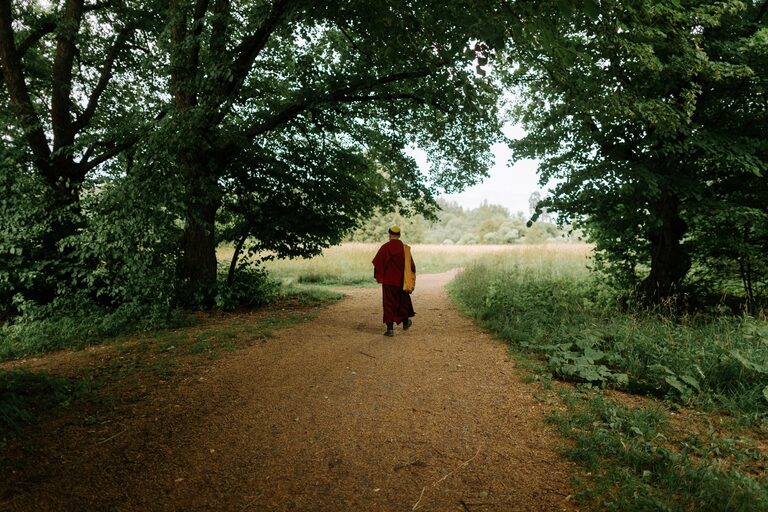
Mindful walking is the practice of paying close attention to the experience of walking. Instead of rushing from one place to another while thinking about your schedule, you gently notice your steps, breathing, surroundings, and thoughts.
You do not need special equipment, a scenic trail, or a large amount of free time. Mindful walking can happen in a park, on a sidewalk, around your neighborhood, or even in a hallway at home. The goal is not to walk perfectly or clear your mind completely. It is simply to become more aware of the present moment.
Like other mindfulness practices, mindful walking takes practice. Your attention will wander, and that is normal. Each time you notice your mind has drifted, you can calmly return your attention to the walk.
Why Try Mindful Walking?
Walking already gives you a natural rhythm. The repeated movement of placing one foot in front of the other can provide an easy focus for your attention.
Mindful walking may help you:
– Take a break from screens and busy routines
– Notice your surroundings more clearly
– Create a peaceful transition between activities
– Build a simple daily mindfulness habit
– Enjoy familiar places in a new way
– Connect movement with greater awareness
This practice does not need to be long or complicated. Even a few mindful minutes can help you pause and reset during the day.
How to Get Started
Choose a Suitable Place
Select a location where you can walk safely and comfortably. A quiet street, local park, garden path, or open indoor space may work well. If you are walking outdoors, choose a route with a clear surface and be aware of traffic, cyclists, uneven ground, and other people.
You can walk for a specific distance, use a timer, or simply choose a route that takes about 5 to 15 minutes. Beginners may find it easier to start with a short walk and increase the time gradually.
Set a Simple Intention
Before you begin, take a moment to decide what you want to focus on. Your intention might be:
– “I will notice each step.”
– “I will pay attention to my surroundings.”
– “I will walk without checking my phone.”
– “I will give myself a few quiet minutes.”
An intention is not a strict rule. It is a gentle reminder of why you are walking mindfully.
Put Away Distractions
If possible, silence notifications and keep your phone stored safely. You do not have to avoid all sounds or people. The idea is to reduce unnecessary distractions so you can pay attention to the experience.
If you need your phone for safety, navigation, or an important call, keep it available. Mindful walking is flexible and should fit your circumstances.
A Step-by-Step Mindful Walking Practice
1. Begin With a Pause
Stand still for a moment before you start walking. Notice how your body feels. Pay attention to your posture, the position of your feet, and the surface beneath you.
Take one or two comfortable breaths. There is no need to change your breathing or force yourself to relax. Simply notice that you are about to begin.
2. Start at a Comfortable Pace
Walk at a natural speed. Some people prefer to slow down slightly at first, but you do not need to walk unusually slowly. Choose a pace that allows you to remain aware without feeling uncomfortable.
Notice the movement involved in each step:
- One foot lifts from the ground.
- The leg moves forward.
- The foot touches the ground.
- Your weight shifts as the other foot begins to move.
You do not need to describe every movement in your mind. Just notice the general rhythm of walking.
3. Pay Attention to Physical Sensations
Bring your attention to your feet and legs. Notice the pressure of each foot against the ground. You might feel your shoes moving, your ankles adjusting, or your legs working as you walk.
You can also notice:
– The movement of your arms
– The position of your shoulders
– The balance of your body
– The contact between your clothing and skin
– The temperature of the air
Try to observe these sensations without judging them as good or bad. If you feel tension, discomfort, or tiredness, acknowledge it and adjust your pace or route as needed.
4. Notice Your Breathing
After focusing on your steps, bring gentle attention to your breathing. Notice the air moving in and out. Your breathing may change as your pace changes, and that is perfectly natural.
You might use your breath as a simple anchor. For example, notice one or two breaths, then return your attention to your feet. There is no need to count breaths or control their rhythm.
5. Open Your Awareness
Once you feel comfortable focusing on your steps, expand your attention to include the world around you.
Notice what you can see, hear, smell, and feel. Look at the shapes of buildings, the movement of leaves, or the changing light. Listen for nearby voices, birds, traffic, or your own footsteps. Notice the temperature, breeze, or texture of the path.
You do not need to name everything you experience. Let your surroundings come and go without trying to hold on to each detail.
6. Return When Your Mind Wanders
Thoughts will appear while you walk. You may think about work, errands, conversations, or plans for later. Rather than criticizing yourself, simply notice that your attention has wandered.
You can silently say, “thinking,” and then return to your chosen focus. Your anchor might be your footsteps, breathing, or the sounds around you.
The act of returning your attention is an important part of mindfulness. A distracted moment does not mean you are doing the practice incorrectly.
A Simple Five-Minute Routine
If you are new to mindful walking, try this short routine:
Minute One: Arrive
Stand or walk slowly while noticing your posture, feet, and breathing.
Minutes Two and Three: Focus on Steps
Pay attention to the feeling of each foot lifting, moving, and touching the ground.
Minute Four: Notice Your Surroundings
Open your awareness to sounds, colors, smells, textures, and the movement of the air.
Minute Five: Walk Naturally
Continue at your normal pace while keeping a relaxed awareness of your body and environment.
At the end of the walk, pause briefly and notice how you feel before returning to your next activity.
Common Challenges and Helpful Tips
“I Cannot Stop Thinking”
You do not need to stop thinking. Mindfulness is not about creating an empty mind. Notice thoughts as they arise, then gently return to walking.
“Walking Slowly Feels Unnatural”
That is common. Start at your usual pace and slow down only if it helps you pay attention. Mindful walking can be practiced at many speeds.
“I Get Bored”
Boredom is another experience you can notice. Look more closely at ordinary details, such as the pattern of pavement, changes in sound, or the movement of your hands.
“I Do Not Have Enough Time”
Try mindful walking during a regular part of your day. You can practice while walking to a nearby location, moving between meetings, or taking a short break. Even one or two minutes can provide an opportunity to pay attention.
“I Keep Checking My Phone”
Begin with a phone-free section of your route. If you need your phone with you, turn off nonessential notifications and decide when you will check it.
How to Make Mindful Walking a Habit
Consistency matters more than length. Choose a routine that is realistic for your schedule.
You might:
– Walk mindfully for five minutes after breakfast
– Take a short practice break in the afternoon
– Use mindful walking as a transition after work
– Choose one familiar route for regular practice
– Invite a friend to walk quietly with you
– Keep a brief note of when you practiced
There is no need to make every walk a formal mindfulness session. Some walks can be social, practical, or energetic. The purpose is to create occasional moments when you walk with deliberate attention.
Final Thoughts
Mindful walking turns an everyday activity into an opportunity to slow down and notice what is happening now. Start with a short, comfortable walk and focus on one simple anchor, such as your steps or breathing. When your attention wanders, return to the experience without judgment.
Over time, you may find it easier to notice small details, take purposeful pauses, and bring greater awareness to ordinary moments. The practice begins with just one step.
Related Post

Simple Ways to Make Your Mornings More Mindful
Start your day with less rush and more intention using simple, practical habits that support [...]