
How to Refresh Your Bedroom on a Budget
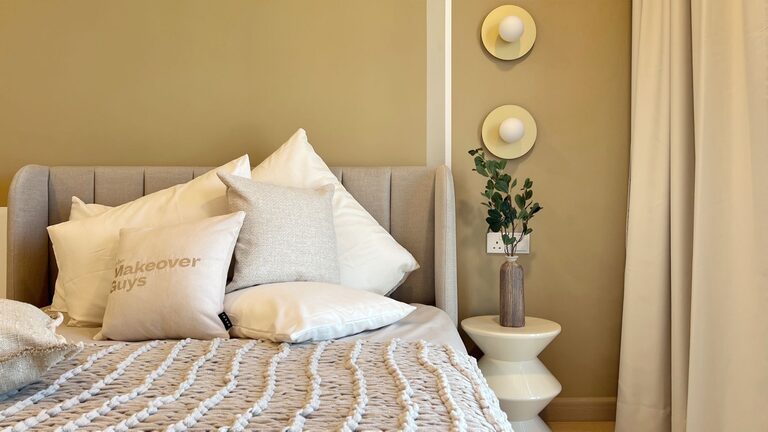
A bedroom refresh does not require a complete renovation or a large shopping budget. Small, thoughtful changes can make the space feel cleaner, calmer, and more personal. By focusing on the details that have the biggest visual impact, you can create a welcoming room without replacing every piece of furniture.
The key is to work with what you already have, set a clear budget, and make updates in stages. Here are practical ways to refresh your bedroom while keeping costs under control.
Start With a Clear Plan
Before buying anything, take a careful look at your bedroom. Notice what feels outdated, cluttered, uncomfortable, or unfinished. You may find that a simple rearrangement or thorough cleaning solves part of the problem.
Make a short list of your priorities, such as:
– Improving the color scheme
– Making the bed more comfortable
– Adding better storage
– Creating a warmer atmosphere
– Updating old decorations
– Making the room feel larger
Next, decide how much you want to spend. Divide your budget into categories, such as paint, bedding, lighting, and accessories. Leaving a small amount for unexpected purchases can help you stay flexible.
Declutter Before You Decorate
One of the most affordable ways to improve a bedroom is to remove items you no longer use or enjoy. Clutter can make even a well-decorated room feel crowded.
Start with visible surfaces, including nightstands, dressers, shelves, and the floor. Sort items into three groups:
– Keep
– Donate
– Recycle or discard
Try to keep only useful items or pieces that have personal meaning. Store seasonal clothing, spare blankets, and rarely used belongings in labeled boxes or containers.
Once the room is less crowded, clean the areas that are usually overlooked. Dust light fixtures, wipe baseboards, clean mirrors, and vacuum under the bed. A fresh, clean foundation will make every later update more noticeable.
Rearrange the Furniture
Changing the layout can give the bedroom an entirely new feel without costing anything. Begin by considering the bed, since it is usually the room’s main focal point.
Try positioning the bed:
– Against a different wall
– Across from the door
– Near a window, if the layout allows
– Centered on the longest wall
Make sure there is enough room to walk comfortably around the bed and open drawers or closet doors. If the room feels crowded, remove a small piece of furniture or move it to another area of the home.
You can also create a more balanced look by placing matching or similar items on both sides of the bed. Even simple stools, small tables, or wall-mounted shelves can provide useful bedside surfaces.
Refresh the Walls With Paint
Paint can make a dramatic difference, but you do not always need to paint the entire room. A single accent wall behind the bed can add color and create a focal point while reducing the amount of paint required.
Calm shades often work well in bedrooms, including:
– Soft white
– Warm beige
– Light gray
– Muted green
– Dusty blue
– Gentle lavender
If painting is not an option, consider removable wallpaper, wall decals, or framed fabric. You can also create an inexpensive gallery wall using printable artwork, postcards, family photos, or pages from old calendars.
Use frames in a consistent color for a more polished appearance. For a relaxed look, combine different frame styles while keeping the artwork connected by a similar color palette.
Update the Bedding
The bed usually takes up more visual space than any other item in the bedroom, so updating the bedding can have a major effect. You do not need to buy a complete new set. Start with one or two affordable changes.
Options include:
– A new duvet cover
– Decorative pillow covers
– A textured throw blanket
– Crisp pillowcases
– A washable bed runner
Choose colors that work with your existing walls and furniture. If the room already has several patterns, select solid bedding. If the room is mostly plain, a simple stripe or subtle geometric pattern can add interest.
Layering different textures can also make the bed look more comfortable. Combine smooth cotton sheets with a knitted throw, quilt, or soft decorative pillows.
Improve the Lighting
Good lighting helps a bedroom feel warmer and more inviting. If the room has only one overhead light, add smaller sources around the space.
Budget-friendly ideas include:
– A table lamp on the nightstand
– Battery-powered wall lights
– String lights around a headboard or shelf
– A small floor lamp
– A clip-on reading light
Use warm-toned bulbs for a cozy atmosphere. Place a lamp near the bed for reading and another light near a dresser or seating area if possible.
You can also improve natural light by washing the windows and using lightweight curtains. Hanging curtains closer to the ceiling and letting them reach the floor can make the room appear taller.
Add Affordable Textiles
Textiles are an easy way to add color, softness, and personality. Look for affordable rugs, curtains, cushions, and blankets at discount stores, thrift shops, or secondhand marketplaces.
A small rug beside the bed can make the floor feel warmer and more comfortable. If you already have a large rug, rotate it or move it to a different position to change the layout.
Curtains can also make a room feel more finished. Choose simple panels in a neutral color if you want a timeless look, or select a subtle pattern for more character.
When shopping, focus on texture as well as color. Materials such as cotton, linen blends, wool, and woven fibers can make a simple room feel more layered.
Give Old Furniture a New Look
Replacing furniture is often the most expensive part of decorating, so consider updating what you already own. A fresh coat of paint can transform a nightstand, dresser, bench, or headboard.
Before painting, clean and lightly sand the surface. Use a suitable primer and allow each coat to dry fully. Replacing drawer handles or cabinet knobs can also make an older piece look more current.
Other simple updates include:
– Covering a plain headboard with fabric
– Adding adhesive trim to a dresser
– Replacing worn furniture feet
– Using baskets inside open shelves
– Styling a dresser with a mirror or artwork
Choose finishes that coordinate with the rest of the room. Too many different wood tones or colors can make the space feel less organized.
Use Plants and Personal Details
Plants can add life and color to a bedroom. If natural light is limited, choose low-maintenance varieties or use realistic artificial plants. Small plants can sit on a nightstand, shelf, or windowsill, while a taller plant can fill an empty corner.
Personal details make the room feel like your own. Display a few favorite photographs, travel souvenirs, books, or handmade items. Avoid filling every surface. A small collection arranged with space around it will usually look more intentional.
Mirrors are another useful addition. A secondhand mirror can reflect light and make a small bedroom feel more open. Place it where it reflects a window or a bright wall rather than a cluttered area.
Shop Smart and Decorate Slowly
You do not need to complete the entire room in one weekend. Decorating slowly helps you avoid impulse purchases and gives you time to find items that truly fit your space.
Before buying, ask:
– Do I have room for this item?
– Does it serve a useful purpose?
– Does it work with my existing colors?
– Can I find a similar item for less?
– Will I still like it in a year?
Check thrift stores, clearance sections, local resale groups, and community swap events. Look for quality basics rather than items that are trendy but unlikely to last.
A bedroom refresh is most successful when it improves both the appearance and the way the room feels to use. With decluttering, rearranging, small updates, and careful shopping, you can create a comfortable and stylish bedroom without stretching your budget.
Related Post

Tips for Choosing Calm Colors for Your Home
Create a peaceful home with thoughtful color choices, balanced tones, and simple ways to test [...]